
What is it?
A false ceiling is a ceiling produced beneath the main slab or floor using materials such as gypsum sheet, POP, ply-wood, and other materials suspended from the main roof and fastened to the walls, roof, or beam of the superstructure. The false ceiling provides the area’s best view, and it’s often the first thing people see when they approach a building space. For this reason, a false ceiling is an important part of the interior design of a space, as it defines its aesthetics. Because a false ceiling has such a vast surface area, it has a major impact on a room’s thermal comfort.
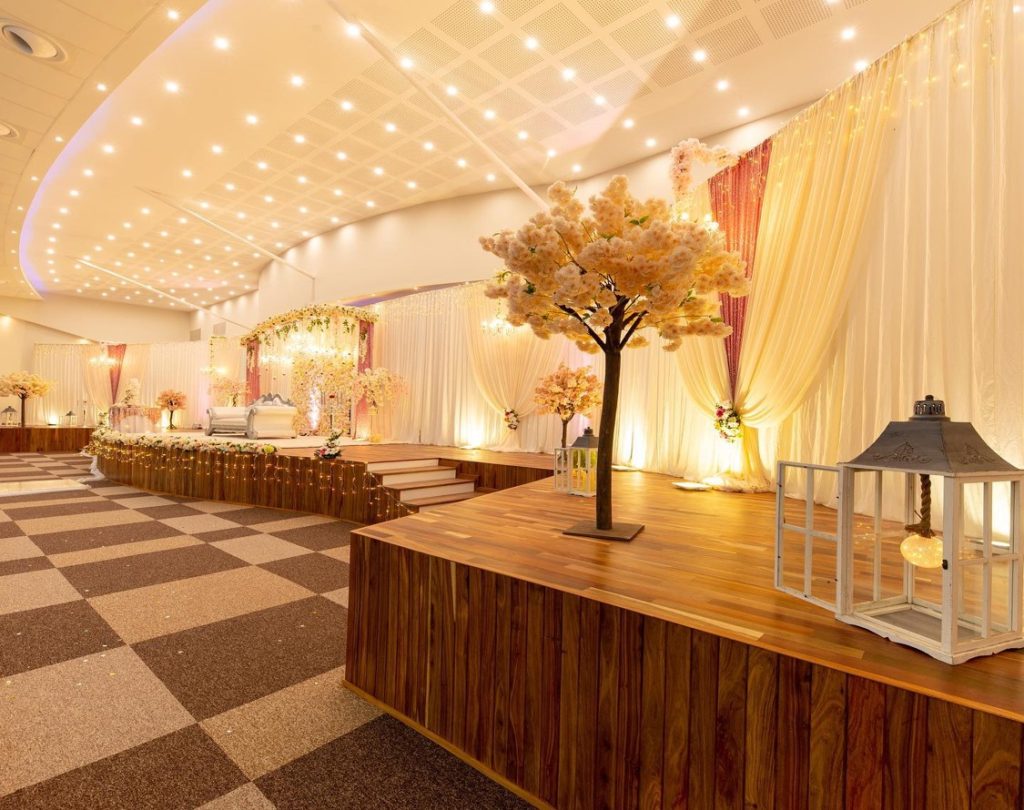
Gypsum False Ceiling
Gypsum false ceilings are constructed of hydrated calcium sulphate, a durable and flexible substance. It has a compressive strength that is equivalent to cement, yet it is far lighter. Even though it is an ancient mineral that has been employed in ancient sculptures, it has been neglected as a building material. For a variety of reasons, false ceilings can help to minimize noise and function as a soundproofing ceiling solution.
In building structures, sound does not have a straight passage from ceiling to floor since they are suspended lower than the real ceiling rafters or beams. They are lighter, easier to install, and less expensive than other forms of artificial ceilings.
The surface layers on ceilings and walls are made of regular gypsum boards, which are more expensive than POP due to their excellent quality and flexibility.
Reasons Why You Should Install a False Ceiling
1.Covering exposed beams on the ceiling
The exposed structural beams running along the roof slab are covered by a false ceiling. The installation of a false ceiling is an excellent technique to cover the beams and give the ceiling a more continuous appearance. The structural beams are generally aligned with the facility’s interior walls.
2.Lower high ceiling.
If the ceiling is excessively high, it should be lowered with a false ceiling to give the area a more proportional appearance and to guarantee a cool room temperature effectively.
A low ceiling (less than 9 feet 6 inches): a false ceiling is not recommended since it will make the area appear smaller and claustrophobic. A false ceiling lowers a room’s height by at least 6–8 inches.
- Exposed electrical wiring
Exposed cables may run across the ceiling in some businesses and homes for multiple applications such as lighting, connecting smart home and office electronics, broadcasting entertainment, etc. Installing a false ceiling helps to keep these cables hidden from sight.
Tip: If the residence has a leaking roof or water seeping in through the walls, it should be fixed before installing a false ceiling to avoid moisture damaging the electrical wiring and false ceiling.
- Sufficient light sources
During the building phase of the RCC ceiling, enough light points is normally included. A false ceiling, on the other hand, is required if you desire extra light spots. It allows you to modify the placements of the light and fan points, as well as providing concealed general illumination and diffused lighting to match the room’s design.
- Noise Reduction
For a variety of reasons, false ceilings can help to minimize noise and function as a soundproofing ceiling solution. In building structures, sound does not have a straight passage from ceiling to floor since they are suspended lower than the real ceiling rafters or beams.
Comments are closed